Selling
What a buyer deducts, and what is worth fixing first
When buyers inspect your car and make an offer, they are silently subtracting the cost of all the repairs they will have to do next month. Your goal is to fix the cheap, obvious things yourself, but avoid spending money on massive repairs that won't pay off.
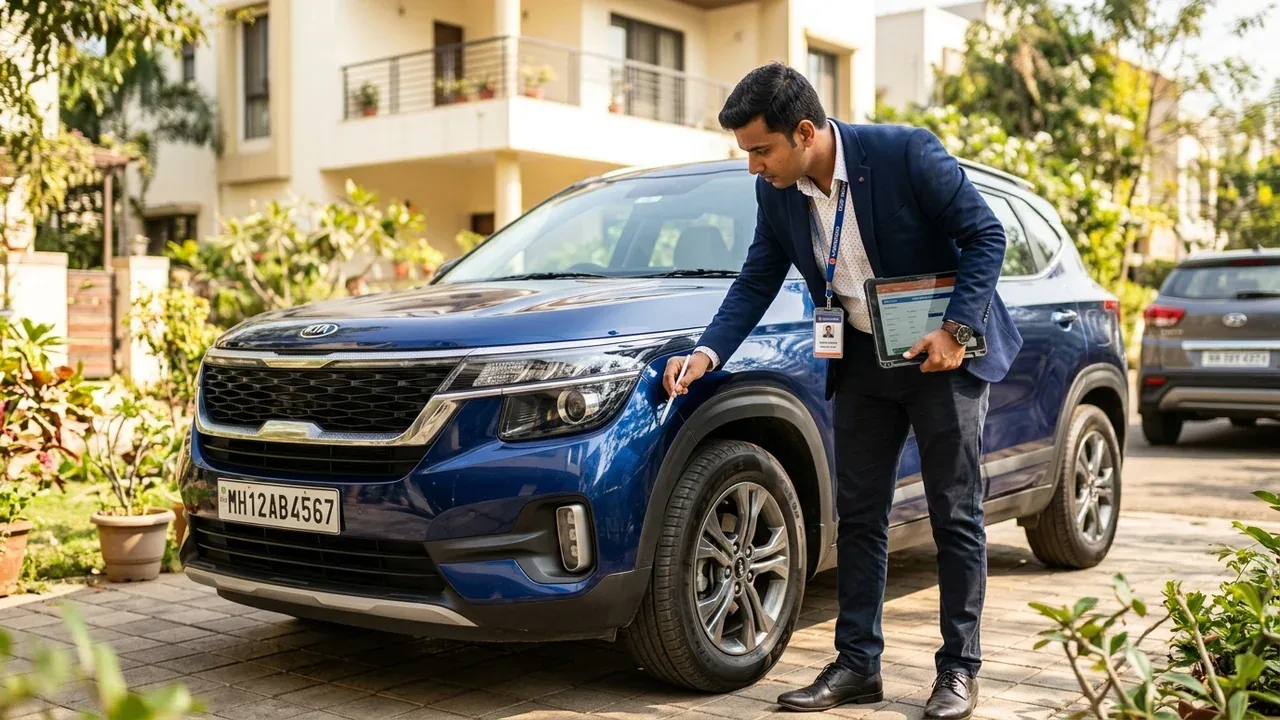
When buyers inspect your car and make an offer, they are silently subtracting the cost of all the repairs they will have to do next month. Your goal is to fix the cheap, obvious things yourself, but avoid spending money on massive repairs that won't pay off.
What You Should Fix First
Do the simple things. Give the car a thorough, professional wash inside and out—dirt instantly makes buyers think the car was neglected. Fix minor dashboard warning lights, like a cheap broken sensor or a dead headlamp bulb. Gather your service records. These small fixes give buyers immense confidence.
What You Should NOT Fix
Do not buy a brand-new set of tyres or repaint the whole car just to sell it. You will almost never make that money back in the final sale price.
Furthermore, a fresh coat of paint over a small scratch makes careful buyers suspicious—they might assume the car was in a massive crash. It is usually much smarter to just leave the worn tyres and minor scratches as they are, and let the buyer deduct a fair, known amount from their offer.
It is usually much smarter to just leave worn tyres and minor scratches as they are, and let the buyer deduct a fair amount rather than repainting.
Repair costs vary by city and by the car. This guide is about the order of decisions, not a price list. Get a quote for your own car before you spend.
Questions people ask
Should I repaint the car before I sell it?
A full respray rarely returns what it costs, and a fresh coat over damage makes a careful buyer more cautious, not less. A small, honest repair of a scrape you would be embarrassed to hand over can be worth doing. Disclose older repairs. Do not hide them under new paint.
Will new tyres raise the price by what I paid?
Usually not by the full bill. A buyer deducts worn tyres because they will have to replace them. Fitting new ones removes that deduction and adds a little confidence. It does not turn the car into a different car. If the tyres are legal and have life left, leave them and let the offer reflect them.
Is a small dent better left alone?
Often, yes. A dent the buyer can see is priced once. A dent that has been filled badly is priced as doubt about the rest of the panel. Wash the car, photograph the mark, and mention it. Spend the money where the car will not start, stop, or steer properly without it.