Buying
What to check before you pay for a pre-owned car
A pre-owned car comes with someone else's driving habits and postponed repairs. The year and the mileage are just the headlines; you need to read the whole story. Always check things in this exact order:
A pre-owned car comes with someone else's driving habits and postponed repairs. The year and the mileage are just the headlines; you need to read the whole story. Always check things in this exact order:
The 5-Step Inspection Sequence
- The Papers: Do this before you even fall in love with the car. Ensure the RC matches the seller's exact name, the chassis number stamped on the car matches the certificate, and there are absolutely no unpaid bank loans.
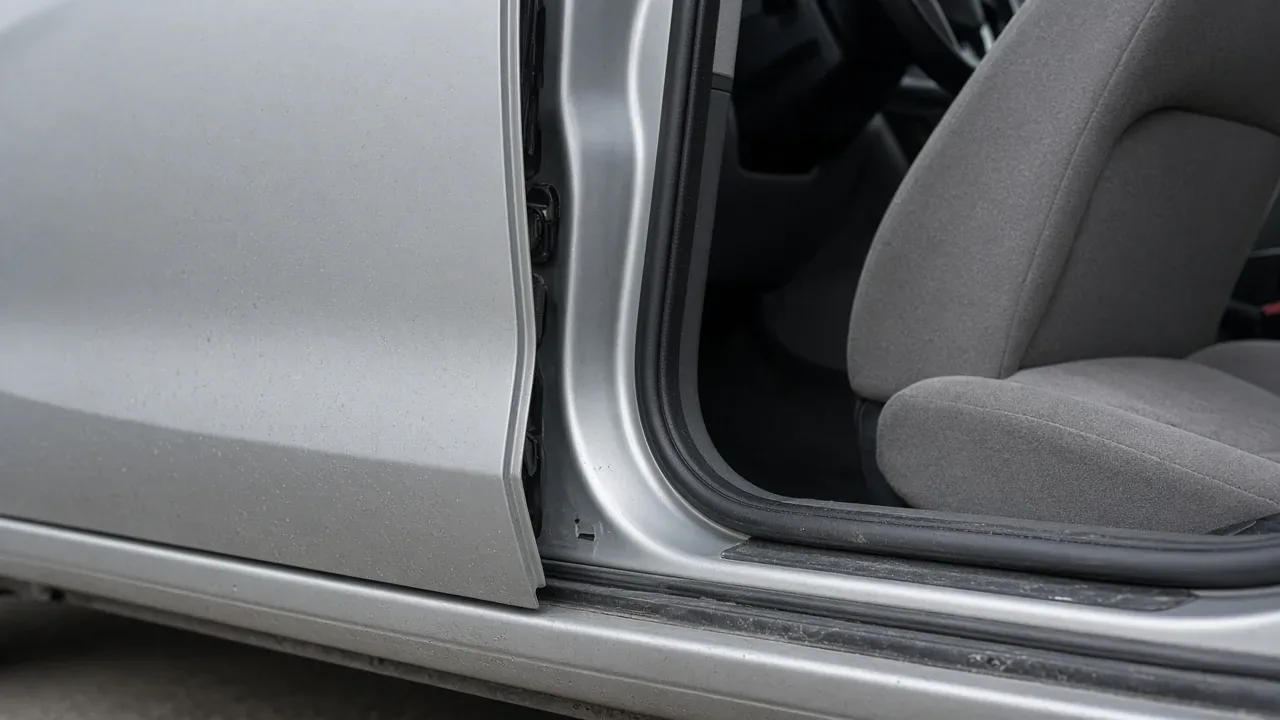
- The Body: Inspect the car outdoors in broad daylight, not under dim showroom lights. Look down the sides of the car for uneven gaps between the doors or mismatched paint textures, which could mean hidden accident repairs. Check the spare-wheel trunk area for mud or musty smells, which are huge red flags for flood damage.
- Tyres and Battery: Check if the four tyres are the same brand and have healthy tread left. A car that needs four new tyres and a new battery will cost you a lot of money immediately after buying it.
- The Cold Start: Ask the seller not to warm up the car before you arrive. Starting a cold engine reveals weak batteries, rough idling, and weird engine noises that a warm engine hides.
- The Drive: Test the brakes firmly, ensure the steering wheel stays perfectly straight, and listen carefully for strange rattling noises when driving over rough roads.
The year and the mileage are just the headlines; you need to read the whole story before you pay.
This is general guidance for buyers in India. A specialist inspection can see more than a first visit. Confirm the file before you transfer the balance.
Questions people ask
Should I check the papers before the test drive?
Yes. A registration certificate in the seller's name, a chassis number that matches, and a clear path on any loan take a few minutes and can end the visit. A pleasant drive does not repair a file you cannot transfer.
Does a repaired car have to be rejected?
No. Repair that is disclosed, and that you can see was done properly, is a condition you can price. Undisclosed repair, uneven gaps, and paint that does not match are a different purchase. Flood signs are a reason to leave, not to negotiate.
What is a cold start, and why does it matter?
It means you hear the engine start after the car has been sitting, not after the seller has already warmed it. A warm start hides a weak battery and a rough idle. If you cannot be there for a cold start, treat that as a gap in what you know.